
Aug 12, 2023 | General Blog
Facing financial difficulties can be an overwhelming experience, but it’s essential to remember that you’re not alone. Bankruptcy can provide a fresh start and relief from overwhelming debt. If you’re considering bankruptcy as an option to regain control of your finances, we’re here to help. We’ll provide you with valuable bankruptcy tips to guide you through the process and offer insights into how to make the most of this opportunity. At The Law Offices of Neil Crane, we specialize in assisting individuals like you with their bankruptcy needs, so don’t hesitate to reach out to us for personalized assistance.
Evaluate Your Financial Situation
Before proceeding with bankruptcy, it’s crucial to assess your financial situation thoroughly. Take stock of your debts, income, and assets. Understanding your financial picture will help you determine whether bankruptcy is the right choice for you and which type of bankruptcy may be most suitable.
Seek Professional Advice
One of the most important steps in the bankruptcy process is consulting with a lawyer who knows bankruptcy law. A skilled lawyer can provide invaluable guidance tailored to your unique circumstances. They will help you understand the different bankruptcy options, such as Chapter 7 and Chapter 13, and advise you on the best course of action.
Create A Budget
A key aspect of successful bankruptcy is creating a realistic budget that you can adhere to. A budget will not only help you manage your finances during the bankruptcy process but also serve as a blueprint for your financial future post-bankruptcy.
Gather All Necessary Documentation
To file for bankruptcy, you’ll need to gather various financial documents, such as tax returns, pay stubs, bank statements, and a list of your debts and assets. Having these documents ready will streamline the filing process and ensure that all required information is accurate and up to date.
Understand The Automatic Stay
Once you’ve filed for bankruptcy, you’ll benefit from an automatic stay, which legally halts creditor actions like foreclosure, wage garnishment, and debt collection. This can provide much-needed relief and breathing room while your bankruptcy case is being processed.
Attend Credit Counseling
Before your bankruptcy case can proceed, you must complete a credit counseling course approved by the U.S. Trustee Program. This course is designed to provide financial education and help you explore alternatives to bankruptcy.
Attend The 341 Meeting
After filing for bankruptcy, you’ll be required to attend a 341 Meeting of Creditors. This meeting provides an opportunity for your creditors to ask questions about your financial situation and the bankruptcy filing. Your attorney will guide you through this process.
Follow The Court’s Orders
Throughout the bankruptcy process, it’s crucial to follow any orders or requirements issued by the court promptly. Failure to do so can jeopardize the success of your bankruptcy case.
Rebuild Your Credit
While bankruptcy may temporarily impact your credit score, it’s possible to rebuild your credit over time. Responsible financial management, such as making timely payments on new debts and avoiding excessive credit card use, will be key to your post-bankruptcy financial health.
Don’t Hesitate To Seek Help
Navigating the bankruptcy process can be complex, and it’s normal to have questions and concerns along the way. Our firm is here to provide the guidance and support you need. Whether you’re considering bankruptcy or have already filed, our experienced lawyers are ready to assist you every step of the way.
Bankruptcy can be a viable solution to regain control of your financial life and get a fresh start. By following these helpful bankruptcy tips and seeking professional assistance from a bankruptcy lawyer, you can navigate the process successfully. Remember, you’re not alone on this journey. If you’re in need of expert advice and assistance, contact The Law Offices of Neil Crane today. We’re here to help you achieve financial stability and peace of mind.

Aug 11, 2023 | General Blog
In today’s fast-paced world, financial hardships can befall anyone. Unforeseen circumstances such as medical bills, job loss, or overwhelming debt can leave individuals and businesses grappling with the daunting prospect of bankruptcy. When faced with such a situation, seeking the guidance of a bankruptcy lawyer can be your lifeline. At The Law Offices of Neil Crane, we understand the challenges you’re facing, and we’re here to provide you with a comprehensive bankruptcy help guide to navigate these troubled waters.
Understanding Bankruptcy
Bankruptcy is a legal process that allows individuals and businesses to restructure their finances and obtain relief from overwhelming debt. It’s not an admission of failure but a means to regain control of your financial future. There are different types of bankruptcy, with Chapter 7 and Chapter 13 being the most common for individuals.
Chapter 7 Bankruptcy
Chapter 7 bankruptcy, often referred to as liquidation bankruptcy, involves the sale of non-exempt assets to pay off creditors. It offers a fresh start by wiping out most unsecured debts, such as credit card balances and medical bills. It’s an excellent option for those with limited income and significant debt.
Chapter 13 Bankruptcy
Chapter 13 bankruptcy, on the other hand, is a reorganization bankruptcy suitable for individuals with a regular income. It allows debtors to create a manageable repayment plan, usually spanning three to five years, to pay off their debts. This option helps protect assets from liquidation while providing a structured path to becoming debt-free.
The Role Of A Bankruptcy Lawyer
Navigating the complexities of bankruptcy law can be overwhelming. This is where a skilled lawyer becomes invaluable. They will help you understand your options, assess your financial situation, and guide you through the entire bankruptcy process. Their expertise ensures that you make informed decisions and avoid common pitfalls.
A bankruptcy lawyer can assist you with:
- Assessing your eligibility for bankruptcy.
- Determining which type of bankruptcy suits your situation.
- Preparing and filing the necessary paperwork.
- Representing you in court and negotiations with creditors.
- Providing guidance on rebuilding your credit after bankruptcy.
- Avoiding Common Mistakes
Bankruptcy is a powerful tool for debt relief, but it’s essential to approach it with care. Common mistakes to avoid include:
Not seeking professional help: Attempting to navigate bankruptcy without an attorney’s guidance can lead to costly errors and missed opportunities for debt relief.
Failing to disclose all assets: Honesty is crucial when filing for bankruptcy. Failing to disclose all your assets can result in legal consequences.
Incurring new debt before filing: Accumulating more debt shortly before filing for bankruptcy may not be dischargeable, and it could jeopardize your case.
Not attending credit counseling: Bankruptcy requires mandatory credit counseling, and failing to complete this requirement can lead to case dismissal.
Bankruptcy is a complex legal process, but it can provide a path to financial recovery for individuals and businesses overwhelmed by debt. To navigate these challenging waters successfully, you need a trusted partner by your side. We are here to guide you through the bankruptcy process with professionalism, compassion, and expertise. Let us help you regain control of your financial future.
Our team of experienced bankruptcy lawyers is here to help you every step of the way. Don’t wait – take control of your financial future now. Contact The Law Offices of Neil Crane today and let us be your partner in financial recovery.

Aug 1, 2023 | General Blog
In today’s challenging economic climate, many homeowners find themselves facing the daunting prospect of foreclosure. The threat of losing your home can be overwhelming, but it’s important to know that there are legal foreclosure solutions available to help you navigate this difficult situation and protect your most valuable asset. At The Law Offices of Neil Crane, we understand the stress and uncertainty that foreclosure can bring, and we’re here to provide you with the information and guidance you need to find the best legal solutions for your unique circumstances.
Understanding Foreclosure
Before we dive into the legal foreclosure solutions, it’s crucial to have a basic understanding of what foreclosure is and how it works. Foreclosure occurs when a homeowner is unable to make their mortgage payments, leading the lender to take legal action to repossess the property. This process can be initiated by the lender after a certain period of missed payments, typically around three to six months. Once the foreclosure process begins, it can be challenging to stop without legal intervention.
Legal Solutions For Foreclosure
If you’re facing foreclosure, it’s essential to explore your legal options to protect your home and financial stability. Here are some legal foreclosure solutions to consider:
Loan Modification: A loan modification involves renegotiating the terms of your mortgage with your lender. This can include lowering your interest rate, extending the loan term, or reducing your monthly payments. A lawyer specializing in foreclosure can help negotiate on your behalf.
Forbearance: Forbearance allows you to temporarily reduce or suspend your mortgage payments due to a financial hardship. This can provide you with the breathing room you need to get back on your feet.
Short Sale: If you owe more on your home than it’s worth, a short sale may be an option. This involves selling your home for less than the outstanding mortgage balance, with the lender’s approval.
Bankruptcy: Filing for bankruptcy, specifically Chapter 13, can stop foreclosure proceedings and give you a chance to catch up on missed mortgage payments through a court-approved repayment plan.
Litigation Defense: If you believe that your lender has violated your rights or made errors in the foreclosure process, an experienced lawyer can mount a strong defense on your behalf.
The Importance Of Legal Representation
Navigating the legal complexities of foreclosure can be challenging, and having an experienced lawyer by your side can make all the difference. Your lawyer will work to protect your rights, negotiate with your lender, and explore every available legal option to help you keep your home.
We have a team of dedicated and knowledgeable lawyers who understand foreclosure law and who have successfully helped countless homeowners facing foreclosure. We understand that every situation is unique, and we tailor our approach to meet your specific needs and goals. Our goal is to provide you with the legal foreclosure solutions you need to secure your future and keep your home.
Consult A Lawyer
Facing foreclosure is undoubtedly a stressful experience, but remember that there are legal foreclosure solutions available to help you through this challenging time. Whether it’s loan modification, forbearance, a short sale, bankruptcy, or litigation defense, seeking legal assistance is essential to protect your home and your financial stability.
If you’re in need of a foreclosure lawyer who can provide you with expert guidance and representation, contact The Law Offices of Neil Crane today. We are committed to helping homeowners like you find the legal solutions necessary to overcome foreclosure and regain peace of mind. Don’t wait until it’s too late—take action now and let us help you secure your home and your future.
Oct 8, 2022 | General Blog
Bankruptcy Lawyer
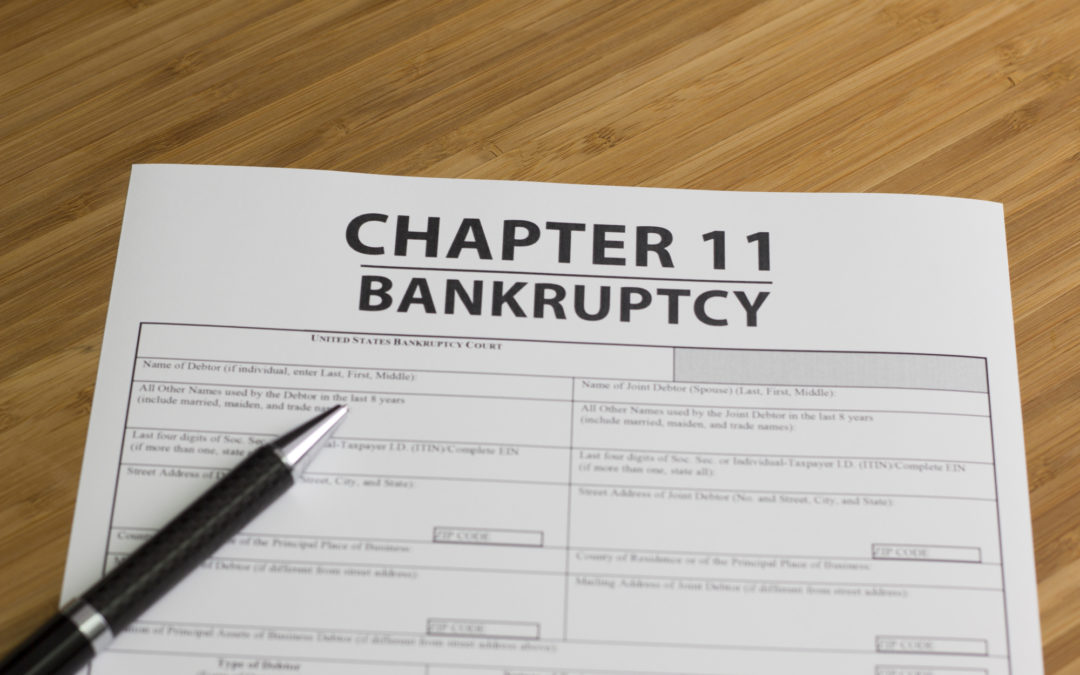
Filing for bankruptcy is sometimes the only option that either individuals or businesses have to overcome their financial issues and their subsequent repayment of debt. Bankruptcy offers an option to struggling businesses or individuals to have these debts erased. Some negative aspects can come from filing for bankruptcy though, like credit scores going down and having a difficult time securing future loans. However, having debts erased and allowing a fresh financial slate is something positive. Bankruptcy erases debts through repayment plans that will depend on certain details for either individuals or businesses and corporations. Some will see liquidation being needed of assets while others will be placed on repayment plans over a certain amount of time. Keep reading to learn more about the different types of bankruptcy and which one may be right for your circumstance.
Individuals Bankruptcies
Individual bankruptcies can be filed under either a chapter 7 or a chapter 13 bankruptcy. Chapter 7 sees individuals liquidate assets to pay back debts that are owed to creditors. Certain items, like houses, may be spared in the liquidation process. Chapter 13 bankruptcy is when individuals are placed on a repayment plan that will have them repay their creditors over a 3 to 5-year span. The amount they are required to pay back will depend on their income and other financial details. A lawyer who specializes in this realm can help out and offer further insight and detail depending on the specific circumstances.
Corporation and Business Bankruptcies
These types of bankruptcies differ from individual bankruptcies in that the corporation or business needs to continue running during difficult financial times, like bankruptcy. Big corporations and companies typically file for chapter 11 bankruptcy. This allows them to remain operating but they have to undergo a financial reshuffling of debts and other items. They also need to have a plan agreed to with creditors for the financial terms. Chapter 12 bankruptcy is for farmers or fishermen. These types of businesses can continue operating and aren’t required to liquidate assets but they must have a plan in place to repay debts. Chapter 9 is the bankruptcy type for municipalities, like townships and school districts to have their own debt repayment plans. The terms for a municipality are similar to a corporation in that a repayment plan will need to be created and accepted by creditors.
Professional Help
Professional help exists for filing for bankruptcy from either a professional who works in the realm of bankruptcy or from lawyers who specialize in this area of the law. Those who have experience in helping clients with bankruptcy can offer their assistance to others who are thinking about filing in their time of need. Make sure you find someone you can trust and who truly understands bankruptcy and the positives and negatives of going through it. A bankruptcy lawyer from The Law Offices of Neil Crane is a great example of a firm with experience and the knowledge to assist in these difficult financial times.
Jul 27, 2021 | General Blog
Real Estate Litigation Lawyer
Real Estate Litigation
Real estate litigation may be needed to resolve disputes when it comes to buying and purchasing real estate. Numerous issues can arise with real estate transactions that an experienced real estate litigation lawyer can assist with. Zoning, financial reasons, contractual problems, and other matters are all things that may arise with real estate acquisitions. Let’s look into more detail on how a real estate litigation lawyer can help with these issues.
Finances
Financing for real estate and property purchases can come from a wide variety of sources. When issues arise with funding, a real estate litigation lawyer can look into the reasons why the issues are arising. They also can look into disputes over the finances of the property when a lender breaks their agreement or changes their terms illegally. Your lawyer can fill you in even more on the other areas of finance that they can assist with.
Contracts
Leases, sales contracts, purchasing agreements, titles, and more are some crucial things that a lawyer can help out with. Contracts are generally very specific with a large amount of confusing terms and words that people don’t understand. By utilizing the services of a lawyer you can learn more about what a contract is trying to say and understand the terms in a more knowledgeable way. Your lawyer will ensure that the contract is fair and that you are not getting taken advantage of.
Zoning
Governments designate specific areas for specific purposes. Land may be zoned for commercial purposes meaning that a business can be established there. Other areas may be zoned for historical purposes like historical buildings. Industrial and residential are a few of the other types of zones. If you or someone you know have built something on land that it was not zoned for, then legal problems may arise from this. A real estate litigation lawyer knows how to fight these kinds of cases and figure out a strategy going forward.
Other Legal Matters
Other problems include landlord-tenant issues. When a landlord and tenant disagree on the terms of their agreements or when rent isn’t being paid, a real estate litigation lawyer can step in and work with the two parties to come to a conclusion. If one of the parties refuses to cooperate, then it may require a lawsuit to settle the problem. Legal matters can be messy, which is why it is advised to have legal counsel on your side. The legal team at Eric Siegel Law has proven experience representing local clients who are facing conflicts amidst real estate transactions.
Apr 30, 2021 | General Blog
Personal Injury Lawyer
After being injured in an accident, you might feel overwhelmed with all the expenses, and the thought of hiring a personal injury lawyer in Washington, DC, such as from Cohen & Cohen, could exacerbate those feelings. While you need to file a lawsuit to gain compensation to help you with your expenses, you don’t have the funds to pay your lawyer upfront. The good news is you might not have to.
Contingency Fee Agreements
Personal injury lawyers understand that the circumstances surrounding most personal injuries don’t exactly give you time to save up for representation. This is why many of them allow for contingency fee agreements. Instead of you paying your lawyer upfront, or even as you go through the process of your case, pay would be contingent on winning the case. That fee would come out of your settlement. This means if there is no settlement, so if you lose the case, you wouldn’t end up paying the lawyer fee at all.
Many contingency fees range anywhere from 33% to 40%, but could also vary based on a few factors. For example, if a lawyer has more experience and is more sought after, he or she might charge a higher percentage for the fee, such as 45%. This means that 45% of your settlement would go to the lawyer. If your settlement is $80,000, the lawyer would be paid $36,000.
The obvious benefit of a contingency fee agreement is that the fee comes out of the settlement at the end, but there are other benefits as well. For example, you often receive better representation from a lawyer who charges a contingency fee because his or her payment depends on whether the case is won.
Other Costs
Keep in mind there are other costs associated with personal injury cases. These are often not included in the contingency fee, but it depends on your lawyer. For example, the agreement with your lawyer might allow you to pay these additional costs after you reach a settlement. It might be included in the contingency fee because the lawyer would pay for them along the way. In another agreement, a lawyer might require you to pay these additional costs along the way. Be sure you know and understand what they are, as well as what and when you are required to pay.
Contact a Lawyer Today
When you’re injured in an accident that could have been avoided, you deserve to be compensated. Contact a personal injury lawyer today with any questions.